


_edited.png)
Common Mistakes to Avoid When Importing Egyptian Marble, Granite & Limestone
Importing natural stone such as marble, granite, and limestone from Egypt can be a highly profitable business decision. Egyptian stone is known for its quality, variety, and competitive pricing, making it a preferred choice for contractors, distributors, and developers worldwide.
However, many buyers—especially new importers—make critical mistakes that can lead to delays, extra costs, or even project failure.
In this guide, we highlight the most common mistakes to avoid when importing Egyptian Marble and Granite and how to ensure a smooth and successful experience.
1️⃣ Choosing Price Over Quality
One of the biggest mistakes is focusing only on getting the lowest price.
While Egyptian Marble Price and granite costs are generally competitive, extremely low prices often indicate:
Lower material quality
Poor finishing
Inconsistent color selection
Weak packaging
👉 Always balance price with quality and reliability.
2️⃣ Not Understanding Material Differences
Many buyers don’t fully understand the differences between:
Each material has different properties and suitable applications.
For example:
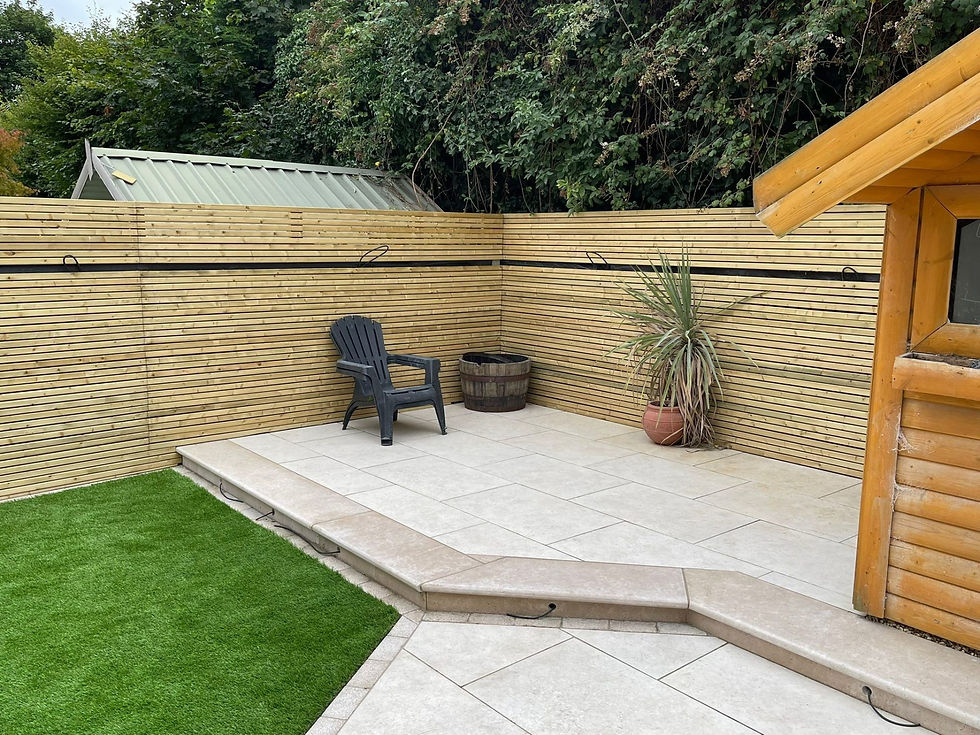
Limestone is ideal for landscaping and cladding
Granite is perfect for heavy-duty and exterior use
Marble is better suited for interior luxury applications
Choosing the wrong material can affect durability and project performance.
3️⃣ Ignoring Surface Finishes
The finish of the stone is just as important as the material itself.
Using the wrong finish can lead to:
Slippery outdoor surfaces
Poor aesthetic results
Increased maintenance
For example:
Flamed or Bush Hammered → best for outdoor flooring
Polished → ideal for countertops
Always choose the finish based on the project environment.
4️⃣ Lack of Clear Specifications
Unclear orders are a major issue in international stone trade.
Common problems include:
Incorrect thickness
Wrong tile sizes
Mixed finishes
Color variation
👉 Always provide detailed specifications such as:
Dimensions
Thickness (e.g. 20mm / 30mm)
Finish type
Quantity
Packing requirements
5️⃣ Choosing the Wrong Supplier
Not all Marble Suppliers in Egypt offer the same level of service.
Working with an inexperienced supplier can lead to:
Delays in production
Poor quality control
Damaged materials during shipping
👉 Always choose a reliable Egyptian Marble Exporter or Egyptian Granite Supplier with proven experience in international markets.
6️⃣ Ignoring Quality Control
Quality control is critical in natural stone export.
Without proper inspection, shipments may include:
Cracks or defects
Inconsistent color
Poor finishing
Professional suppliers perform quality checks at every stage:
Quarry extraction
Manufacturing
Packing
7️⃣ Poor Packing & Shipping
Natural stone is heavy and fragile. Improper packing can result in major losses.
A professional exporter should provide:
Fumigated wooden crates
Proper slab separation
Strong container loading
This ensures safe delivery to the UK, Australia, and other markets.
8️⃣ Not Considering Market Requirements
Each market has specific preferences.
UK Market:
Australian Market:
Durable outdoor stone
Anti-slip finishes
Modern grey tones
Understanding your target market helps you choose the right material and finish.
Conclusion
Importing Egyptian Marble, Granite, and Limestone can be a highly successful investment when done correctly.
By avoiding common mistakes—such as poor supplier selection, unclear specifications, and ignoring finishes—you can ensure better quality, smoother logistics, and higher customer satisfaction.
Working with an experienced Egyptian stone exporter is the key to achieving consistent results and building long-term business success.



Comments